Faculty Syllabus
RTVB-1321 TV/Video Field Production
Victoria McCarthy
Abram Cerda
Victoria McCarthy
Abram Cerda
Credit Spring 2026
Section(s)
RTVB-1321-003 (49973)
LEC TuTh 1:30pm - 2:20pm EVC EVC9 9317
LAB TuTh 2:20pm - 4:00pm EVC EVC9 9317
Course Requirements
The first 6 weeks will be dedicated to training students in video production techniques. Students will be required to participate in production exercises and technical training and complete any quizzes. Students must consistently check and read their ACC email account for deadlines, updates, and important information pertaining to this production course.
The second 8 weeks will consist of a series of in-class live productions mimicking that of real-world scenarios. Students are expected to contribute to each production, fulfilling the duties of their assigned crew position in a professional and productive manner.
In regards to the final project, all students must turn in any pre-production materials by the deadline. All students will be expected to maintain a professional, competent demeanor while crewing on their classmates’ final production projects.
Students are expected to:
- Maintain an official ACC Student email account. All email communication from ACC and this class will be sent to that address. You will find more information about ACC Student email at: http://www.austincc.edu/accmail/
- Attend class regularly
- Participate in class discussion & activities •Completion of work as assigned
Course Subjects
The primary objective of this course is to introduce students to field-based multi-camera live production and event videography.
Students will become proficient in basic production techniques, including camera, audio, lighting, live switching, and basic on-location Television production set protocol.
RTF FILM & MEDIA SCREENINGS POLICY
The films and short subjects screened in this course reflect a diverse range of content and form. Some of this content and imagery may be more challenging or provoking than others. However, it has been thoughtfully curated and has been chosen to encourage discourse and critical thinking. Students are asked to review a synopsis and content breakdown of these films before each screening. This can be done at sites such as IMDB.com where details of a film's contents are listed under the Parents Guide section of a film's information. If upon reviewing the content, you feel it will cause you legitimate distress for any reason, please notify your instructor in advance. You are more than welcome to request an alternate film assignment or screening. You will not be penalized in any way for bringing up these concerns. The objective of the films shown in this course is always to encourage discourse and critical thinking.
RTF STUDENT PROJECT CONTENT POLICY
ACC RTF values freedom of expression, academic freedom and culturally responsive practices in classes.
Student media makers are encouraged to:
- Push creative boundaries
- Explore social issues
- Expand their artistic voice & visions through their work
Students are encouraged to not shy away from controversial subject matter. The previous statement is not a license to exploit sensitive subjects without meaningful purpose. Professors will guide students and ultimately determine the limits of content for class media projects, in the context of doing what is best for the overall class learning environment.
Student media projects must be approved by their professor ahead of time. Certain student media projects may be deemed inappropriate for the collaborative learning environment at ACC. Projects which contain obscene material or gratuitous violence will receive the highest scrutiny. Real weapons of any kind, including guns, are not allowed in RTF student productions. Some classes may have additional guidelines/parameters.
At the professor’s discretion, some scripts/projects with sensitive subjects may be required to have a short synopsis or artistic statement to alert student collaborators/readers.
Required Course Materials
REQUIRED MATERIALS (TECHNOLOGY)
- SD Card (for when you are using a camera)
- (minimum size 64 GB, minimum write speed 90 mb/s)
- Kanopy Subscription (Free with ACCID)
- Access to a smart phone with video capturing ability.
- External Hard Drive
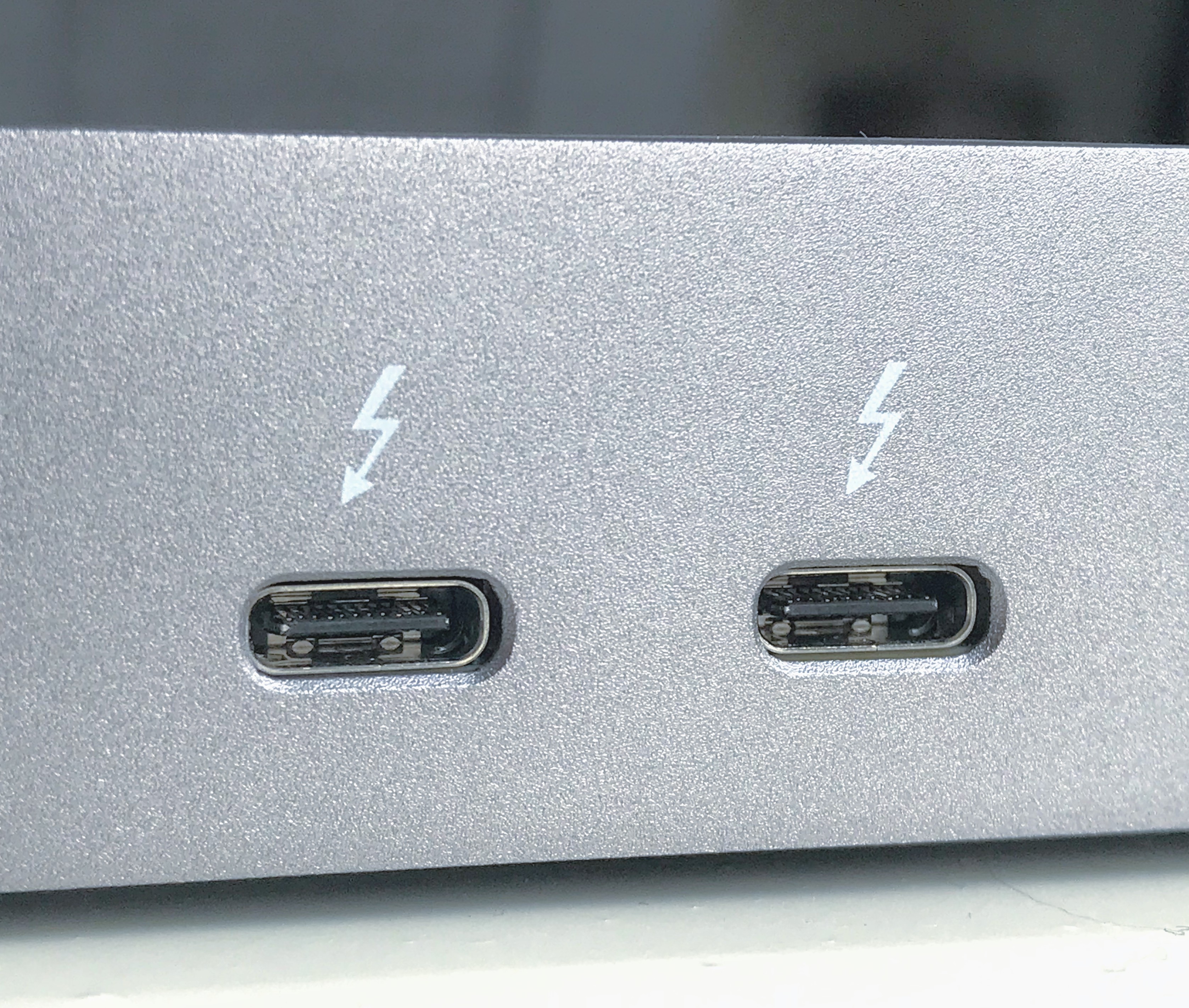
In addition to the above materials you will also be required to have an external hard drive for editing and storing in-class videos. This drive must have either a Thunderbolt or USB 3/C connection and a minimum of 1TB of Hard drive space. You may not use an SD Card or thumb drive as your editing drive.
Here are some examples of suitable hard drives:
SSD’s
HDD’S
The computers that we will be using have both USB Type A ports, USB-C ports, as well as Thunderbolt ports.

Office Hours
W 3:30 PM - 6:00 PM Virtual or In Person ( By Request)
NOTE 3:30 PM - 6:00 PM Virtual ( Google Meet) or In Person by Request ( Email) Virtual ( Google Meet ) or In Person if Requested In Person Meetings must be scheduled by email and will be held at the Bennu Coffee on ACC Highland Campus unless otherwise discussed. Should office hours need to be postponed from their usual time on Thursdays from 3:30PM to 6PM, they will be rescheduled for the same time on Friday of that week. In such an event, students will be notified of the rescheduling via Google Classroom.Published: 01/21/2026 15:07:50